Investment Apps for Smarter and More Accessible Investing
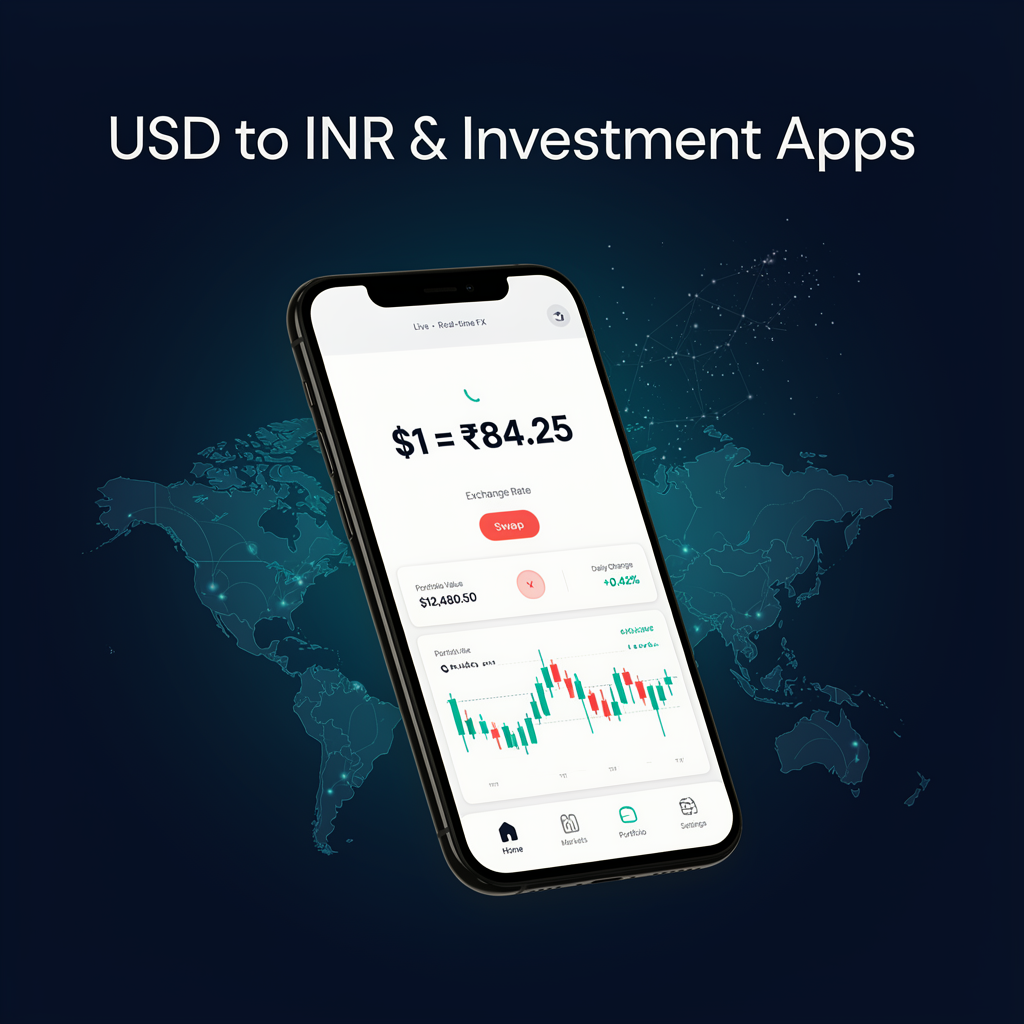
Investment apps have transformed the way people interact with financial markets. What once required phone calls, paperwork, or visits to financial institutions can now often be managed through a digital platform. These applications can provide access to portfolio information, educational resources, market data, and various investment services. However, convenience should always be combined with financial knowledge, careful planning, and an understanding of risk.
Understanding Investment Applications
Investment applications are digital platforms designed to help users manage financial accounts and investments. Depending on the provider, an application may offer access to stocks, funds, bonds, retirement products, or other financial instruments. Some platforms focus on simplicity for beginners, while others provide advanced research and analytical tools for experienced investors.
Choosing an Appropriate Platform
The right application depends on individual financial objectives, investment experience, preferred products, costs, and risk tolerance. Someone beginning with small amounts may prioritize an easy interface and educational content, while an experienced investor may prefer advanced charts, research, and portfolio-management features.
Examining Fees Carefully
Investment costs can influence long-term results. Investors should understand trading fees, account charges, withdrawal costs, currency-conversion charges, and any other applicable expenses before opening an account. A platform with attractive features may not necessarily be the most suitable if its overall costs are high.
Benefits of Digital Investment Platforms
One of the biggest advantages of investment apps is accessibility. Investors can often review their accounts from a smartphone or computer and receive information about market activity without depending on traditional financial-office schedules.
Convenient Portfolio Monitoring
Digital dashboards can make it easier to view holdings, review performance, and track transactions. Some platforms also provide notifications about market movements or account activity. These features can save time and help investors remain aware of their financial position.
Accessibility for Beginners
Many applications include educational explanations that introduce concepts such as diversification, market volatility, investment risk, and asset allocation. These resources can help beginners develop basic financial knowledge before making significant investment decisions.
Developing an Investment Strategy
An investment app is only a tool. The quality of investment decisions depends largely on the strategy used by the investor. Before purchasing an asset, individuals should understand their financial goals and the period for which they expect to keep their money invested.
Defining Financial Objectives
Investment objectives can differ considerably. Someone saving for retirement may have a long time horizon, while someone saving for a near-term purchase may need greater emphasis on preserving capital. A clear objective can make it easier to select investments that match the desired time frame.
Understanding Risk Tolerance
Every investment carries some level of risk. Investors should consider how they would respond if their portfolio temporarily declined in value. Choosing investments that are inconsistent with personal risk tolerance can lead to emotional decisions during periods of market volatility.
The Importance of Diversification
Diversification involves spreading investments across different assets, industries, regions, or other categories. The goal is to reduce dependence on a single investment and potentially limit the effect of poor performance in one area.
Building a Balanced Portfolio
A balanced portfolio should reflect the investor’s goals and risk tolerance. Different asset classes may behave differently under various economic conditions. Combining suitable investments can create a portfolio that is less dependent on the performance of one market segment.
Reviewing Portfolio Allocation
Investment allocations can change over time because different assets grow at different rates. Periodic reviews can help determine whether the portfolio still matches the original strategy. Rebalancing may sometimes be appropriate, although unnecessary trading can create additional costs.
Understanding International Investing
Investment applications can make international markets more accessible. Investors may hold assets denominated in currencies different from their own. This can create additional opportunities for diversification but also introduces currency risk.
Monitoring Exchange Rates
Currency movements can affect the value of international investments. An investor who owns a dollar-denominated asset but measures wealth in euros may see the local value change even when the underlying investment price remains stable. Monitoring the usd to euro exchange rate can help investors understand this additional source of volatility.
Planning International Transactions
Currency conversion is also relevant when transferring money between countries or purchasing foreign investments. The usd to euro exchange rate provides a useful reference, but the actual rate received may differ because banks and financial platforms can apply spreads or transaction charges.
Security and Privacy Considerations
Financial applications contain sensitive personal and financial information, so security should be treated as a priority. Investors should investigate the provider’s security practices and understand how accounts are protected.
Protecting Account Credentials
Strong, unique passwords can reduce the risk of unauthorized access. Multi-factor authentication should be enabled whenever available. Investors should also avoid sharing passwords, verification codes, or sensitive account information with other people.
Recognizing Suspicious Communications
Scammers may imitate financial institutions through emails, messages, or websites. Users should be cautious about unexpected requests for login details, payments, or verification information. Accessing an investment account through the official application or verified website can reduce exposure to fraudulent links.
Managing Emotional Investment Decisions
Digital platforms make buying and selling extremely convenient. However, this convenience can encourage investors to react quickly to market movements. Emotional decisions can undermine a carefully designed investment strategy.
Avoiding Short-Term Reactions
Markets regularly experience periods of growth and decline. Selling solely because prices have fallen can turn a temporary decline into a permanent loss. Investors should consider their original objectives and investment horizon before making major changes.
Maintaining Financial Discipline
A disciplined approach involves making decisions based on established criteria rather than social media trends or fear. Regular portfolio reviews can be useful, but constantly watching prices may increase anxiety and encourage unnecessary transactions.
Comparing Investment App Features
Different investment apps offer different combinations of services. Some provide automated portfolios, while others emphasize self-directed investing. Some may offer extensive educational resources, whereas others focus primarily on trading functionality.
Evaluating Research Tools
Research tools can help investors analyze companies, funds, industries, and market trends. However, more information does not automatically produce better decisions. Investors need to understand what the data means and distinguish useful information from short-term market noise.
Considering Customer Support
Reliable customer support can be important when account problems arise. Before selecting a platform, users should investigate the available support channels, operating hours, and reputation for resolving customer issues.
Understanding Costs of Currency Conversion
International investing can involve additional costs beyond ordinary investment fees. Currency conversion may occur when deposits, withdrawals, dividends, or investment purchases involve different currencies.
Comparing Conversion Rates
Investors should compare the rate offered by their financial platform with a reliable market reference. Checking the usd to euro exchange rate before completing a significant transaction can help identify whether the offered conversion appears competitive.
Considering Long-Term Currency Exposure
Currency movements can have a meaningful effect on international portfolios. A strengthening or weakening currency can change the value of foreign investments when converted into the investor’s domestic currency. Understanding this exposure can support more informed portfolio decisions.
Using Technology for Financial Education
Investment apps can serve as learning tools as well as transaction platforms. Educational articles, market explanations, demonstrations, and portfolio analysis can help users gradually improve their financial understanding.
Learning Before Increasing Investment
Beginners may benefit from starting with a manageable amount while learning how markets work. This can provide practical experience without immediately exposing a large portion of personal savings to market risk.
Developing Independent Judgment
Financial education should help investors develop their own judgment rather than encourage dependence on recommendations or automated signals. Understanding why an investment may rise or fall is more valuable than simply following a popular trend.
Creating a Long-Term Investment Routine
A consistent investment routine can make financial planning easier. Investors may establish regular contributions, review their portfolio periodically, and update their goals when circumstances change.
Reviewing Progress
A portfolio review can include checking asset allocation, investment costs, performance, and progress toward financial objectives. Investors with international holdings should also consider currency movements. Reviewing the usd to euro exchange rate can be useful when assessing how foreign investments affect the overall portfolio in domestic currency.
Adapting to Changing Circumstances
Financial plans should evolve as income, expenses, family responsibilities, and goals change. A strategy that was appropriate several years ago may not remain suitable indefinitely. Regular evaluation helps keep investment decisions aligned with current circumstances.
In conclusion, Investment apps have made investing more convenient by providing digital access to financial information, portfolio management, research tools, and various investment opportunities. Their convenience, however, does not eliminate market risk or guarantee returns. Investors should choose platforms carefully, understand fees, protect account information, diversify appropriately, and develop strategies based on realistic financial goals. International investing requires additional attention because currency fluctuations can affect portfolio values, making the usd to euro exchange rate an important consideration for investors holding assets across these currencies. Ultimately, the most effective use of an investment app combines technology with financial education, patience, security awareness, and disciplined long-term decision-making.