Obedience Training for Pet Dogs: Building Better Bonds
A well-trained dog is not only easier to manage but also more confident, comfortable, and connected with their family. Obedience training for pet dogs provides the foundation for clear communication between dogs and owners, helping pets understand expectations while developing positive behaviors. Effective training goes beyond teaching basic commands by focusing on trust, consistency, and understanding how dogs learn.
Many unwanted behaviors occur because dogs do not fully understand what their owners are asking from them. With the right guidance, training can improve daily interactions, strengthen relationships, and create a happier environment for both pets and people. Rob’s Dog Training helps owners develop practical skills and positive training habits that support long-term success with their canine companions.
Why Obedience Training for Pet Dogs Matters
Dogs naturally communicate through body language, habits, and reactions to their surroundings. Without guidance, they may develop behaviors that are challenging for owners, such as excessive barking, jumping on guests, pulling on the leash, or ignoring commands.
Professional obedience training helps bridge the communication gap between dogs and humans. Instead of relying on corrections alone, effective programs focus on reward-based learning, clear expectations, and practical skills that dogs can use in real-world situations.
A structured training approach can help dogs:
- Respond reliably to basic commands
- Develop better impulse control
- Feel more confident in new environments
- Improve social skills with people and other animals
- Build stronger trust with their owners
Training is not only about obedience. It is about helping dogs become well-adjusted companions that can safely participate in everyday activities.
Understanding How Dogs Learn During Training
Every dog has a unique personality, learning style, and motivation. Some dogs respond quickly to verbal praise, while others are more motivated by treats, toys, or play. Understanding these differences allows owners to create a training routine that matches their dog’s needs.
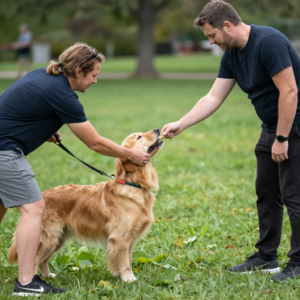
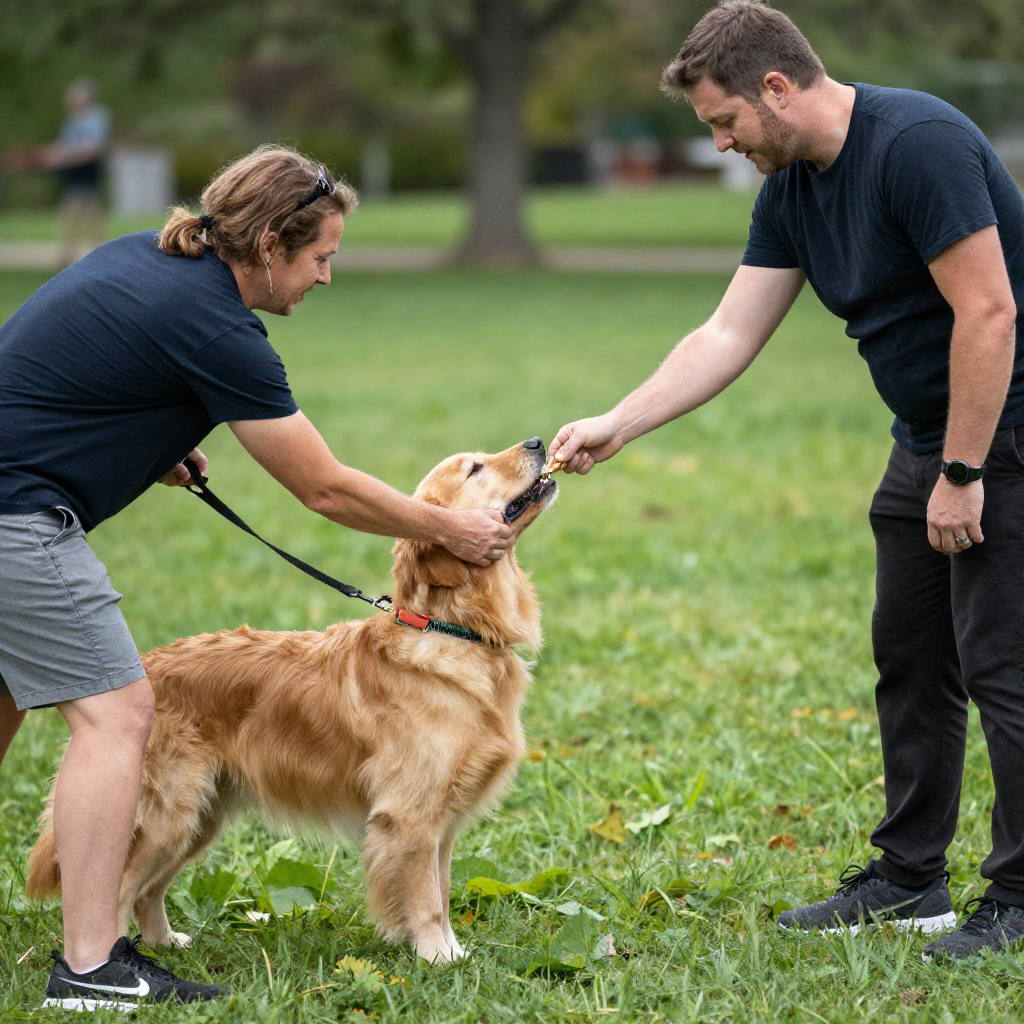
Positive reinforcement is one of the most widely used approaches in modern dog training. This method rewards desired behaviors, making dogs more likely to repeat those behaviors in the future.
For example, when a dog sits after hearing a command and receives praise or a reward, they begin to associate sitting with a positive outcome. Over time, this creates reliable habits through repetition and consistency.
Successful training often includes:
- Clear communication
Dogs learn best when commands and expectations remain consistent. Using the same words and signals helps prevent confusion. - Short, focused sessions
Dogs typically learn better through regular practice rather than long sessions that may cause frustration or boredom. - Positive experiences
Creating a calm and encouraging environment helps dogs remain engaged and willing to learn. - Real-life practice
Skills should be practiced in different environments so dogs can respond appropriately outside the training area.
Key Skills Developed Through Dog Obedience Training
Obedience training builds practical skills that support a safer and more enjoyable relationship between dogs and their owners. While every training plan may differ, many programs focus on essential behaviors that improve everyday life.
Basic Commands and Communication
Commands such as sit, stay, come, and down provide the foundation for communication. These cues allow owners to guide their dogs during daily routines, walks, and social situations.
Reliable recall, or teaching a dog to come when called, is especially important for safety. A strong recall can help prevent dangerous situations by allowing owners to quickly regain control.
Leash Manners and Walking Skills
Many owners struggle with dogs that pull, lunge, or become distracted during walks. Leash training teaches dogs how to move calmly while paying attention to their handler.
Proper leash skills make walks more enjoyable while giving dogs opportunities for exercise, mental stimulation, and social exposure.
Impulse Control and Patience
Dogs often act based on excitement or curiosity. Training helps them learn self-control in situations involving food, visitors, toys, or other animals.
Impulse control exercises can teach dogs to:
- Wait before eating
- Remain calm when greeting people
- Ignore distractions
- Follow commands even when excited
These skills are valuable because they help dogs make better choices in everyday situations.
The Role of Consistency in Successful Dog Training
One of the biggest factors influencing training success is consistency. Dogs learn through patterns, so mixed signals can slow progress.
For example, if a dog is allowed to jump on people sometimes but discouraged from doing so at other times, they may struggle to understand the expected behavior. Everyone in the household should follow the same rules and use similar commands.
Consistency includes:
- Practicing behaviors regularly
- Rewarding positive actions immediately
- Maintaining clear boundaries
- Avoiding confusing signals
Training is most effective when it becomes part of daily life rather than a short-term activity.
How Professional Trainers Support Better Results
While many owners teach basic commands at home, professional guidance can provide valuable support for more complex challenges. Experienced trainers understand canine behavior and can identify why certain behaviors occur.
A professional trainer can help owners:
- Understand their dog’s behavior patterns
- Create realistic training goals
- Address specific challenges
- Improve timing and communication
- Build confidence during training sessions
Professional training also helps owners learn how to continue reinforcing good behavior after sessions are complete. The goal is not just a trained dog but an owner who understands how to maintain those skills.
Choosing the Right Approach for Your Dog
There is no single training method that works perfectly for every dog. Age, breed characteristics, past experiences, environment, and temperament can all influence how a dog responds to training.
A puppy may need foundational socialization and basic manners, while an adult dog may need help improving existing habits. Dogs with behavioral concerns may require a more customized approach focused on their specific needs.
When selecting a training program, owners should consider:
- Training philosophy and methods
- Experience with different dog personalities
- Focus on communication and positive learning
- Ability to address individual goals
A personalized approach often leads to better long-term results because it recognizes each dog as an individual.
Building a Stronger Relationship Through Training
Many people view dog training as a way to correct problems, but it is also an opportunity to strengthen the human-animal bond. Training creates moments of communication where dogs learn to trust their owners and owners learn to understand their pets.
Dogs thrive when they have structure, guidance, and positive interaction. A predictable routine helps them feel secure, while training activities provide mental stimulation that keeps their minds active.
Obedience work can become a rewarding experience that brings owners and dogs closer together.
Practical Tips for Maintaining Training Progress
Training does not end after a dog learns a command. Continued practice helps maintain skills and prevents unwanted behaviors from returning.
Owners can support long-term success by:
- Practicing commands during everyday activities
- Introducing controlled distractions gradually
- Rewarding good behavior consistently
- Keeping training sessions enjoyable
- Continuing mental enrichment activities
Simple activities such as practicing commands before meals or during walks can reinforce learning without requiring extra time.
Final Thoughts
Obedience training for pet dogs creates the foundation for better communication, improved behavior, and stronger relationships between dogs and their families. By focusing on consistency, positive reinforcement, and individual needs, owners can help their dogs develop skills that support a happy and balanced life.
Training is an ongoing process that benefits both pets and people. With expert guidance and a commitment to understanding canine behavior, dogs can become confident companions who respond well in everyday situations.
Rob’s Dog Training helps owners build practical training skills through personalized guidance and effective techniques designed around each dog’s unique personality and learning needs. For more information about professional dog training support, visit https://robsdogs.com/.